Engineering Companies in Middle East: Driving Regional Growth and Innovation
Wiki Article
Engineering Companies in Middle East play a crucial role in shaping
the region’s infrastructure, energy systems, and industrial development. As the
Middle East continues to invest heavily in urban expansion, transportation
networks, power generation, and industrial facilities, engineering companies
provide the technical expertise required to plan, design, and deliver complex
projects. Their contribution supports economic diversification, modernization,
and long-term sustainability across the region.
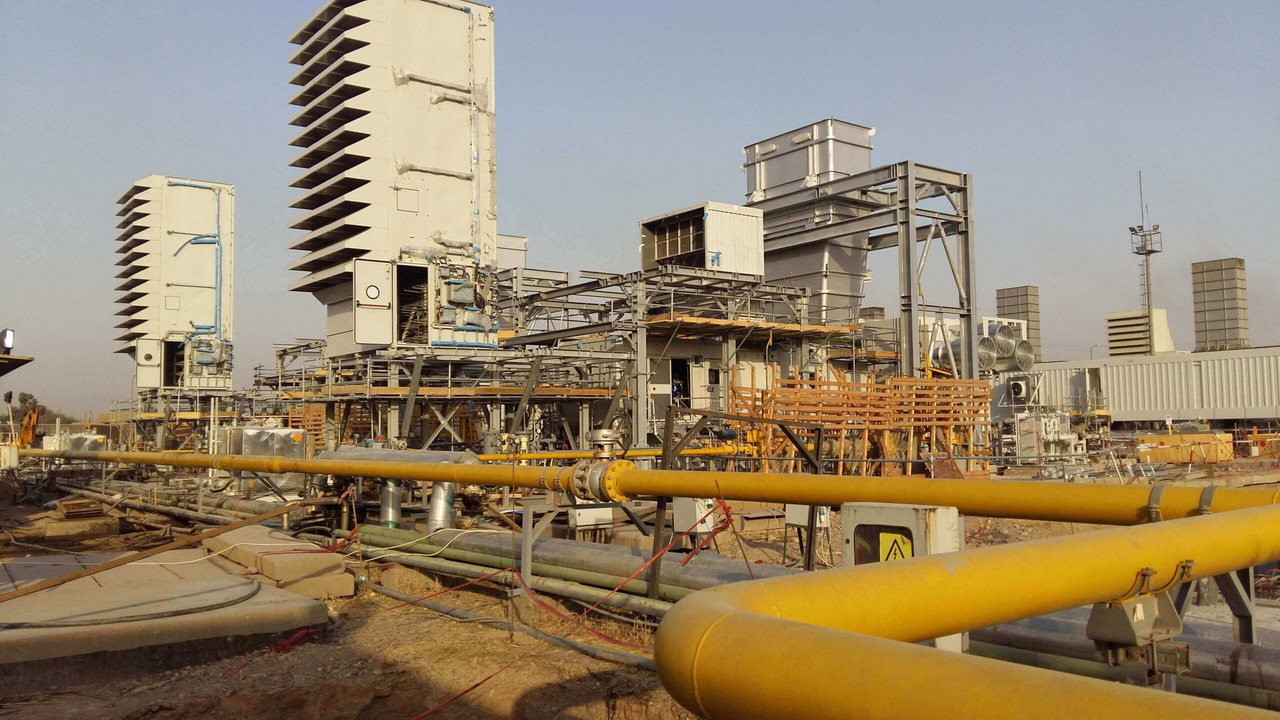
Role of Engineering Companies in
the Middle East
Engineering
companies are responsible for converting development goals into practical,
functional solutions. Their services typically include feasibility studies,
detailed engineering design, technical consultancy, project management,
construction supervision, and commissioning support. In the Middle East,
engineering companies often work on large-scale, high-value projects that
demand precision, coordination, and compliance with international standards.
By
managing technical risks and optimizing project designs, Engineering Companies
in Middle East help ensure that projects are delivered efficiently, safely, and
within defined budgets and timelines.
Key Sectors Served by Engineering
Companies
The
energy sector is one of the most significant areas served by engineering
companies in the Middle East. Oil and gas facilities, refineries, pipelines,
power plants, and renewable energy projects rely on advanced engineering
solutions. Engineering companies support upstream, midstream, and downstream
developments by delivering technically sound and operationally efficient
designs.
Infrastructure
development is another major focus. Roads, bridges, airports, ports, rail
systems, and metro projects are essential for regional connectivity and
economic growth. Engineering companies design and manage these projects to meet
durability, safety, and performance requirements.
Industrial
and manufacturing facilities also depend on engineering expertise. Engineering
companies support factories, processing plants, logistics hubs, and special
economic zones, helping diversify economies beyond traditional energy sectors.
Engineering Consultancy and
Project Management
Engineering
consultancy services are essential during the early stages of a project.
Engineering companies provide feasibility studies, site assessments, cost
estimates, and risk analysis to support informed decision-making. Early
technical input reduces design errors and improves project viability.
Project
management is another core strength of Engineering Companies in Middle East.
Large projects involve multiple stakeholders, contractors, and regulatory
authorities. Engineering companies coordinate schedules, resources, and
communication to maintain progress and control costs throughout the project
lifecycle.
Adoption of Technology and
Innovation
Technology
plays an increasingly important role in modern engineering services.
Engineering companies in the Middle East use advanced tools such as Building
Information Modeling (BIM), 3D design software, and digital project management
platforms. These technologies improve coordination between disciplines and help
identify potential issues before construction begins.
Innovation
also includes the use of modern materials, prefabrication techniques, and smart
infrastructure solutions. These approaches improve efficiency, reduce
construction time, and enhance long-term asset performance.
Quality, Safety, and Compliance
Standards
Quality
assurance is fundamental to engineering projects. Engineering companies
implement strict quality control systems to ensure that designs and
construction activities meet international codes and client specifications.
Regular inspections, testing, and documentation help maintain consistency and
reliability.
Health,
safety, and environmental management is equally critical. Engineering Companies
in Middle East operate in diverse environments, including deserts, offshore
locations, and dense urban areas. Comprehensive safety planning and
environmental controls protect workers, communities, and project assets.
Sustainability and Environmental
Responsibility
Sustainability
has become a key priority for engineering companies in the region. Projects
increasingly incorporate energy-efficient designs, renewable energy solutions,
water conservation systems, and environmentally responsible materials.
Engineering companies support national sustainability goals by reducing
environmental impact and promoting resource efficiency.
Green
building standards and sustainable infrastructure initiatives are shaping the
future of engineering in the Middle East.
Workforce and Skill Development
A skilled
workforce is essential for the success of engineering companies.
Multidisciplinary teams of engineers, planners, and project managers bring
together technical expertise and regional knowledge. Continuous training and
professional development ensure that teams remain aligned with evolving
technologies and international best practices.
Local
workforce development also supports knowledge transfer and strengthens the
regional engineering industry.
Challenges and Industry
Adaptation
Engineering
Companies in Middle East face challenges such as complex regulatory
environments, demanding project schedules, and varying site conditions.
Successful companies adapt through strong planning, risk management, and
effective stakeholder coordination.
By
maintaining flexibility and adopting global best practices, engineering
companies continue to deliver reliable solutions across diverse sectors.
Conclusion
In
conclusion, Engineering Companies in Middle East are central to the region’s ongoing development and
modernization. Through technical expertise, innovative solutions, and effective
project management, these companies support critical infrastructure, energy
systems, and industrial growth. As regional investment continues to expand, the
role of Engineering Companies in Middle East will remain vital in building
sustainable, resilient, and future-ready developments.